About Course
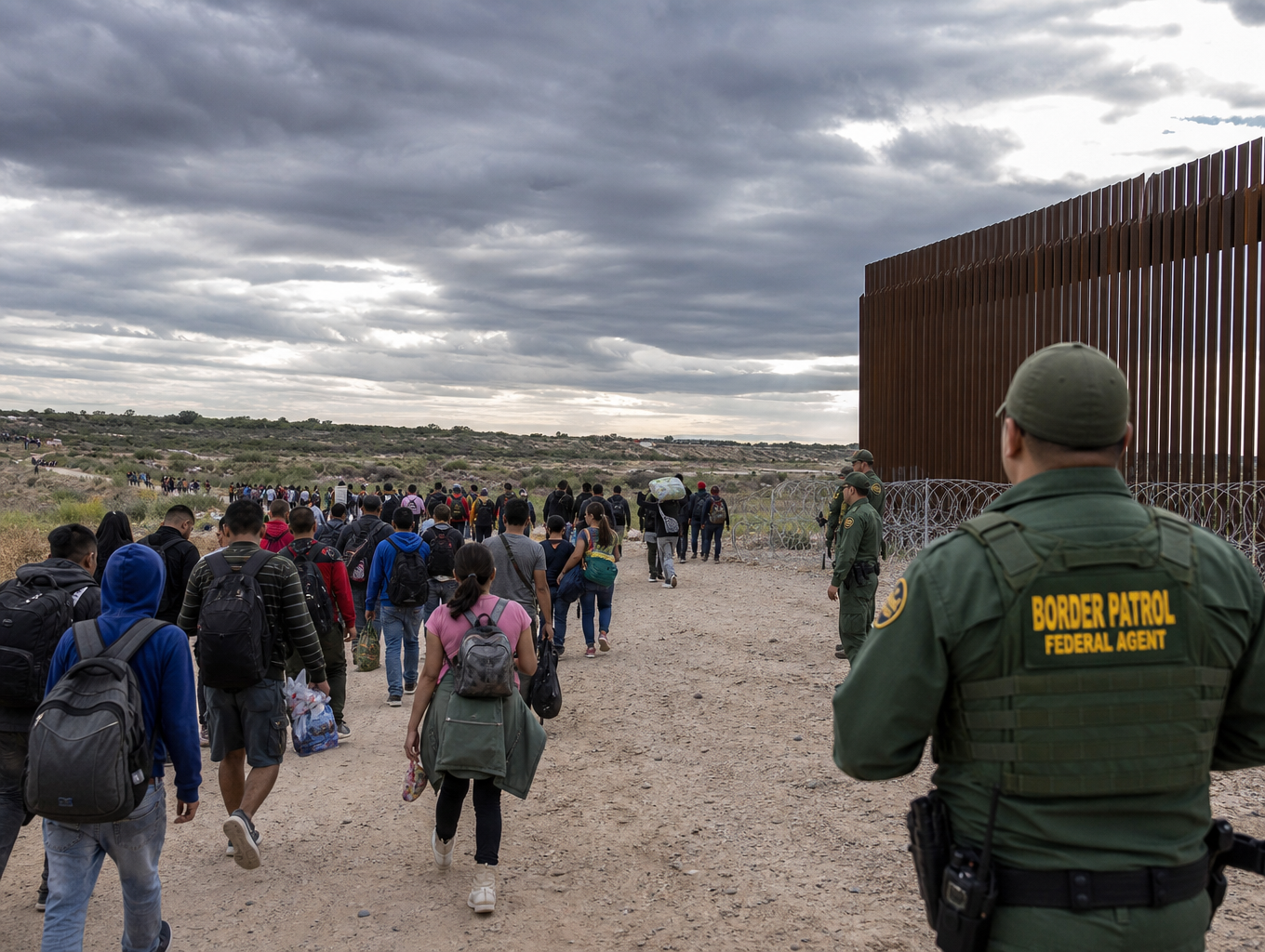
The three-day training programme introduces participants to the relationship between migration and security through eight thematic sessions. It develops the knowledge and tools needed to analyse this nexus and its impact on migration management, with a focus on institutional, legal, and policy dimensions to support informed decision-making and professional practice.
Accredited by the MFHEA Qualification Type: Award
Accreditation Category: Further Education Course / Programme
Licensed by MFHEA | Licence No.: 2021-016
ECTS: 1 Duration: 3 days
MQF/EQF level: 4
Mode of delivery/attendance: Fully Face-to-face
Hours of total learning: 25 hours (Contact: 14 hours/Self-study: 10 hours/Assessment: 1 hour)
Language of instruction: English
Address: MCP Med TI Licensed Premises.
Modes of teaching
- Lectures
- Visual aids
- Plenary/guided discussions
- Practical and group exercises
- Case studies
- Self-paced self-study
Assessment
10% Practical Application: 30% / Final Examination: 60% / Pass rate: 60/100
Additional Information:
- Intake Dates: No fixed intake dates. This programme is delivered on request and scheduled in cooperation with partner institutions and national authorities. Please contact mcpmedti@icmpd.org for information on upcoming deliveries.
- Programme Fees: There are no standard tuition fees. Participation is free of charge for nominated participants from eligible public institutions, in accordance with the applicable agreements and communications with MCP Med TI. For further information, please contact mcpmedti@icmpd.org.
- Registration Method: Registration currently is not open to the general public. Participants are nominated by partner institutions or competent national authorities. Organisations interested in delivering this programme may contact mcpmedti@icmpd.org.
Visa Requirements:
Third-country nationals attending this programme in Malta should consult Identity Malta for visa requirements: https://www.identitymalta.com/
Course Content
Day 1
-
Introduction
-
Pre-assessment Exercise
-
Session 1: Perceptions of Migrants’ Effect on Crime/terrorism
-
Session 2: Diaspora and Conflict
-
Session 3: Effects of Returns & Remittances on Crime
-
Recap & Quiz